
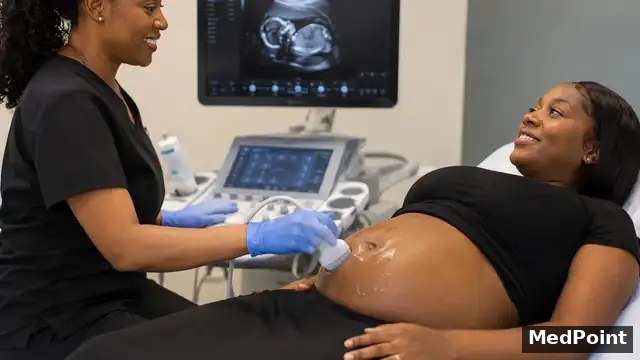
Preterm birth occurs when a baby is born before 37 completed weeks of pregnancy. Babies born too early may have a higher risk of breathing difficulties, feeding problems, developmental delays, and other health complications. Ultrasound scans are an important part of pregnancy care. They help healthcare professionals monitor the baby’s growth, examine developing organs, and identify certain birth defects or factors that may increase the risk of premature delivery.
Can Ultrasound Detect Birth Defects?
Ultrasound can detect many structural birth defects before delivery, particularly those affecting the:
Brain and spine
Heart
Kidneys and urinary system
Limbs and bones
Abdomen and internal organs
Face, including some cases of cleft lip
The accuracy of an ultrasound also depends on the stage of pregnancy, the baby’s position, maternal body characteristics, the quality of the ultrasound equipment, and the experience of the professional performing the exam.
The Link Between Preterm Birth and Birth Defects
Preterm birth and birth defects can sometimes be connected. Babies with certain structural or chromosomal abnormalities may have a higher risk of being born prematurely.
Similarly, babies born too early may experience health complications because some organs have not fully developed. These complications are related to prematurity and are not always birth defects.
Early and regular pregnancy ultrasound scans help identify concerns and guide.
0 comments
No comments yet. Be the first to share your thoughts.